Microbiomes and Complex Microbial Communities

Study Shows Not All Dietary Proteins Are Digested the Same Way
Categorizing dietary proteins as either animal- or plant-based fails to address source-specific differences, new research shows.

Protein Sources Change the Gut Microbiome – Some Drastically
A new study by researchers from North Carolina State University shows that protein sources in an animal’s diet can have major effects on both the population and function of the microscopic life within their gut.

Probiotics Can Help or Hinder Gut Recovery After Antibiotic Treatment
All probiotics are not created equal, according to new research from North Carolina State University. In a mouse model, researchers found that different probiotic strains can either accelerate or delay the gut microbiome’s recovery after antibiotic treatment.
Dietary Protein and the Microbiome
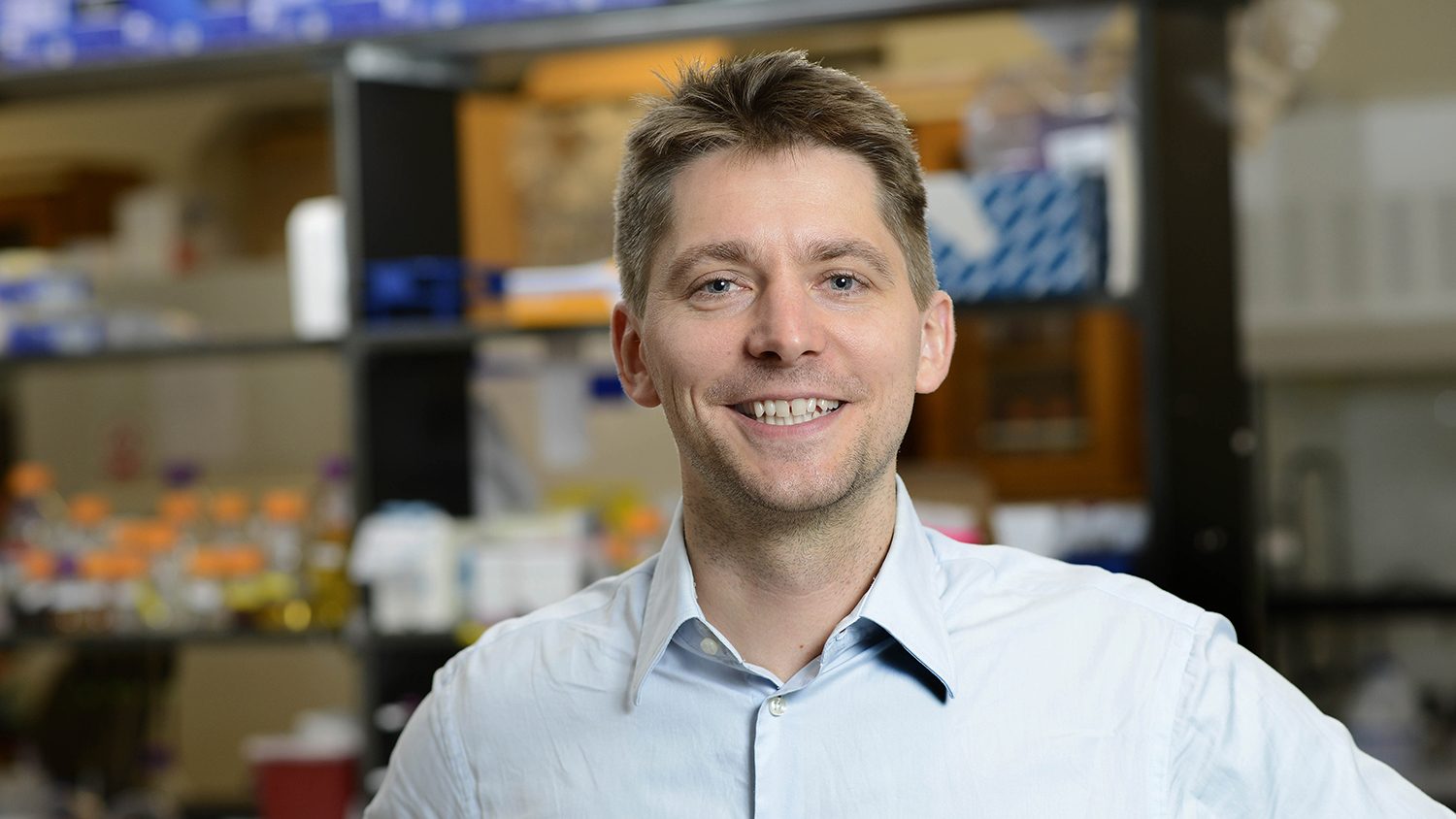
Manuel Kleiner, a member of NC State’s Microbiomes and Complex Microbial Communities cluster, was recently on the Matters Microbial podcast. He joined host Mark O. Martin to discuss how diet can influence the microbiome in fascinating ways.
William Neal Reynolds Distinguished Professors Announced
Twelve professors in the College of Agriculture and Life Sciences were recently named William Neal Reynolds Distinguished Professors.

Funding awarded to study “microbiome stewardship”!
This article discusses the work of a team of researchers including Mallory Choudoir, a member of the Microbiomes and Complex Microbial Communities cluster in NC State’s Chancellor’s Faculty Excellence Program.
How microscopic fungi could help to make crops drought-proof
In this article, Christine Hawkes, a member of the Microbiomes and Complex Microbial Communities cluster in NC State’s Chancellor’s Faculty Excellence Program, talks about the plant mycobiome being the next frontier for agricultural science.
Nathan Crook Receives NIH DP2 Grant
Nathan Crook has received a 2023 National Institutes of Health Director’s New Innovator Award for his project, Brewing Anti-Toxin Drugs Using Probiotic Yeast.
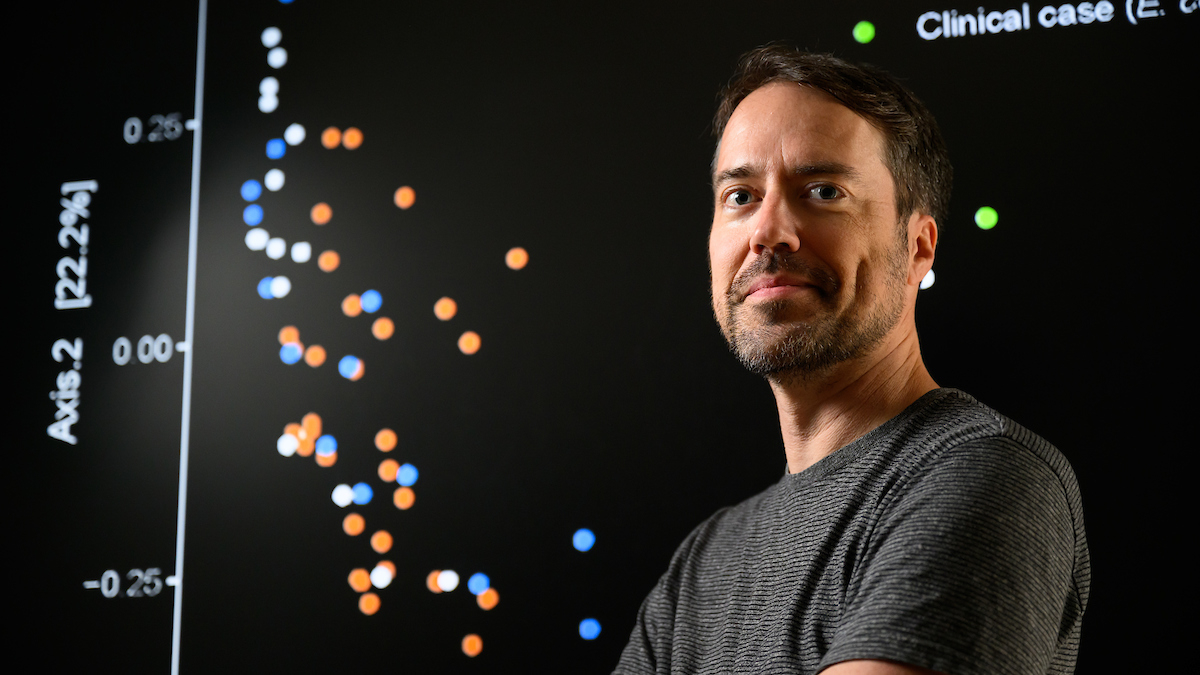
Making Magic: How Hiring a Scientist With Expertise Outside Vet Med was Essential to Cat Gallbladder Discovery
Two veterinary internists at the NC State College of Veterinary Medicine have determined that a cat’s gallbladder doesn’t have its own microbiome, an important discovery for the treatment of feline cholangitis, the most common acquired inflammatory liver disease in domestic cats.
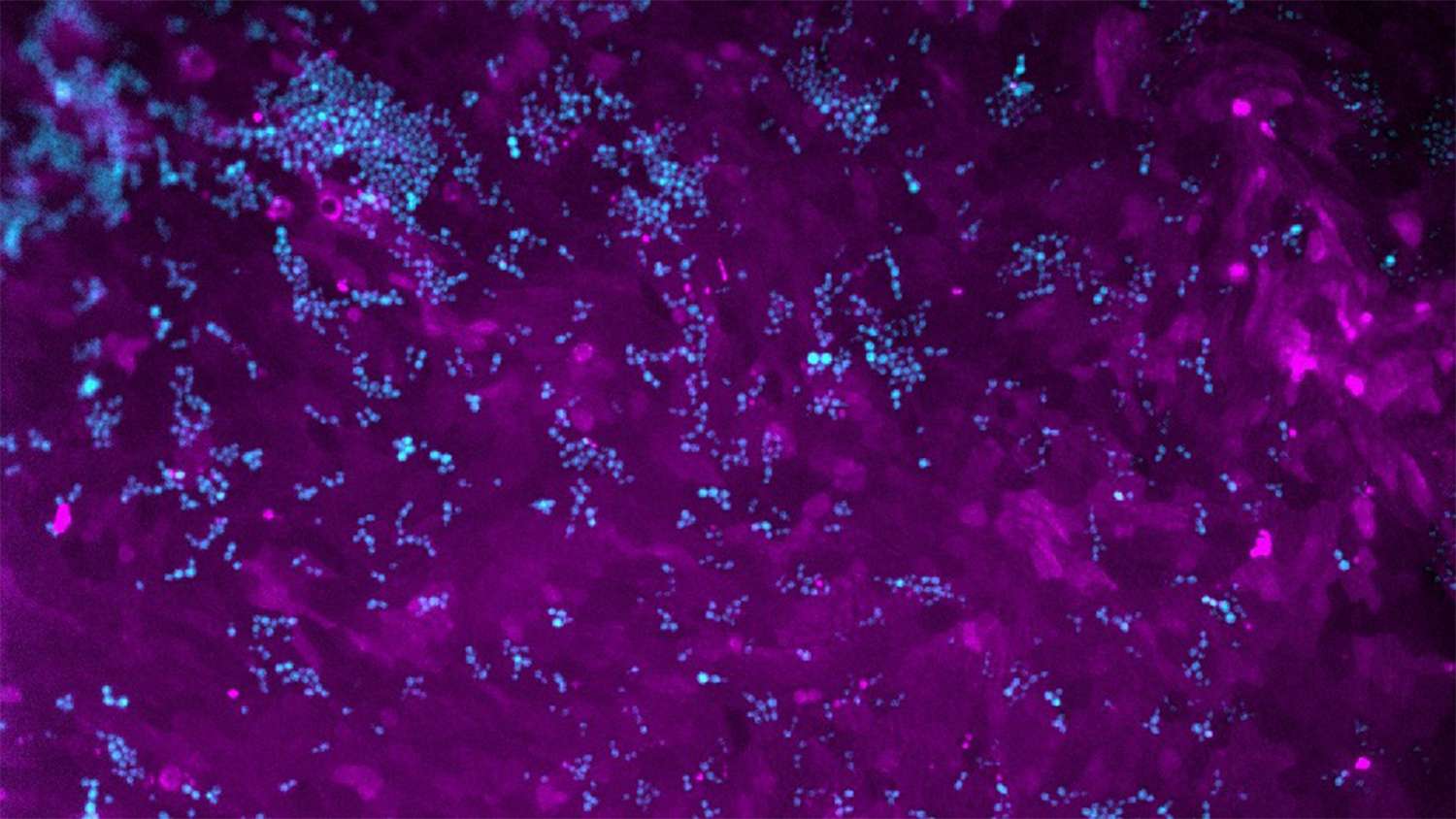
Nathan Crook receives NSF CAREER Award
Professor Nathan Crook has received a National Science Foundation (NSF) CAREER Award for his proposal, “Enhancing Probiotic Yeast Colonization for Stable in Situ Biomanufacturing.” The NSF describes CAREER awards as among its “… most prestigious awards in support of early-career faculty who have the potential to serve as academic role models in research and education and to lead advances in the mission of their department or organization.”