_from-newswire-collection-55
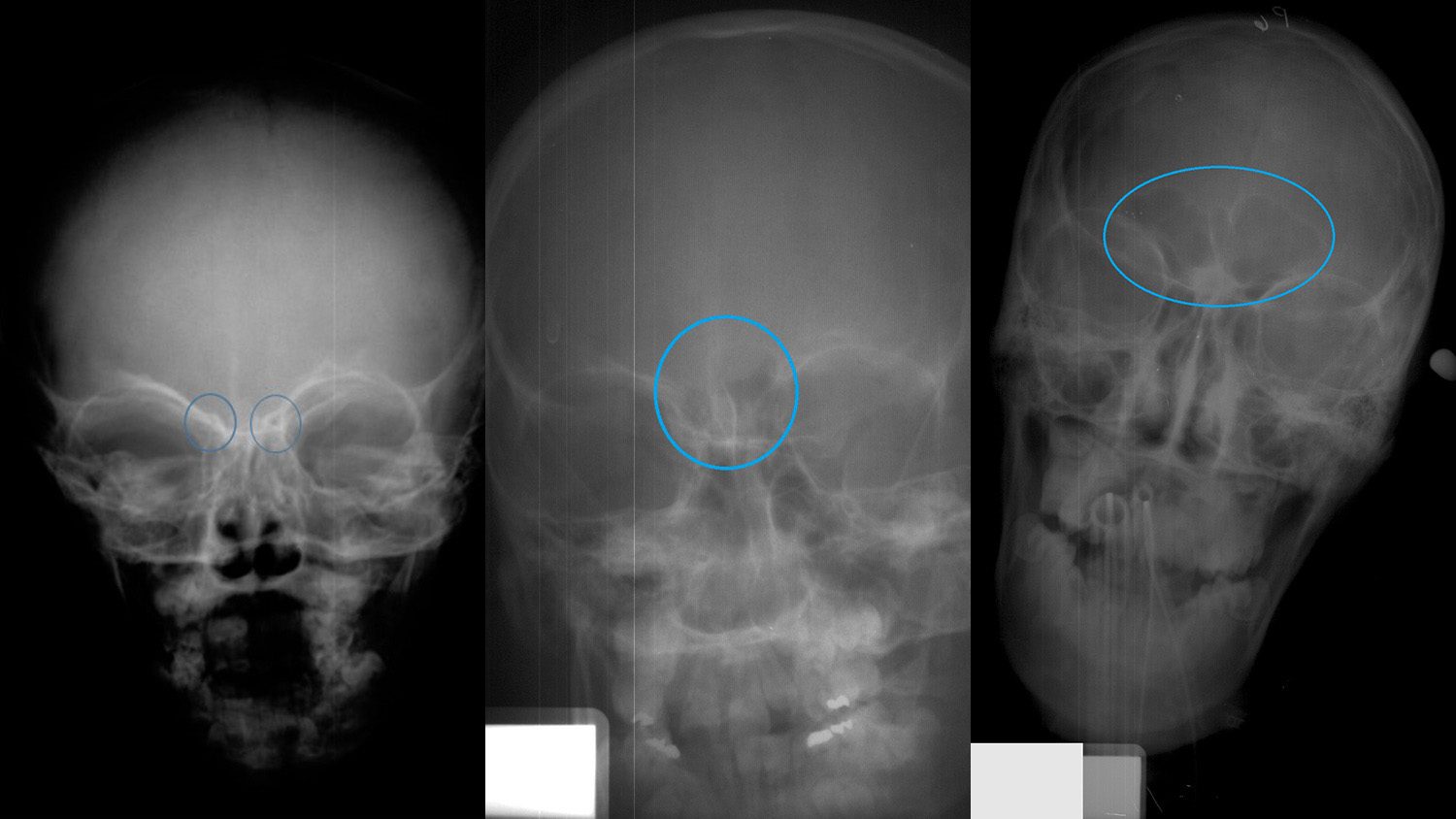
Forensic Technique Uses Forehead X-Rays to Assess Age of Juvenile Remains
Researchers have developed a technique that can provide an approximate age for juveniles based on a frontal X-ray of the skull.
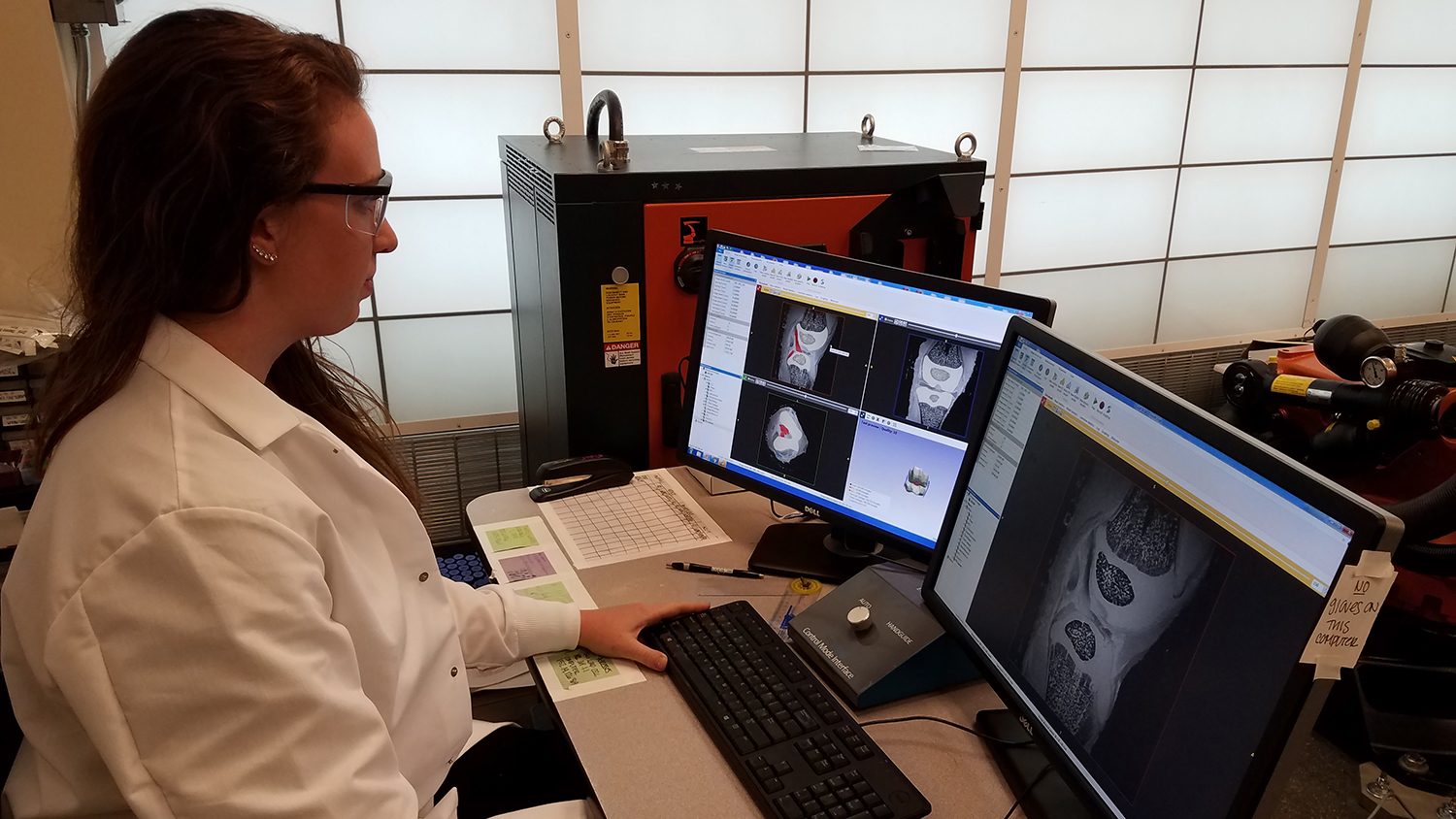
Pig Model to Help Research on Human Knee Growth, Injury Treatment
New research shows how the knees of pigs and humans compare at various stages of maturity – a finding that will advance research by this group (and others) on injury treatment in young people.
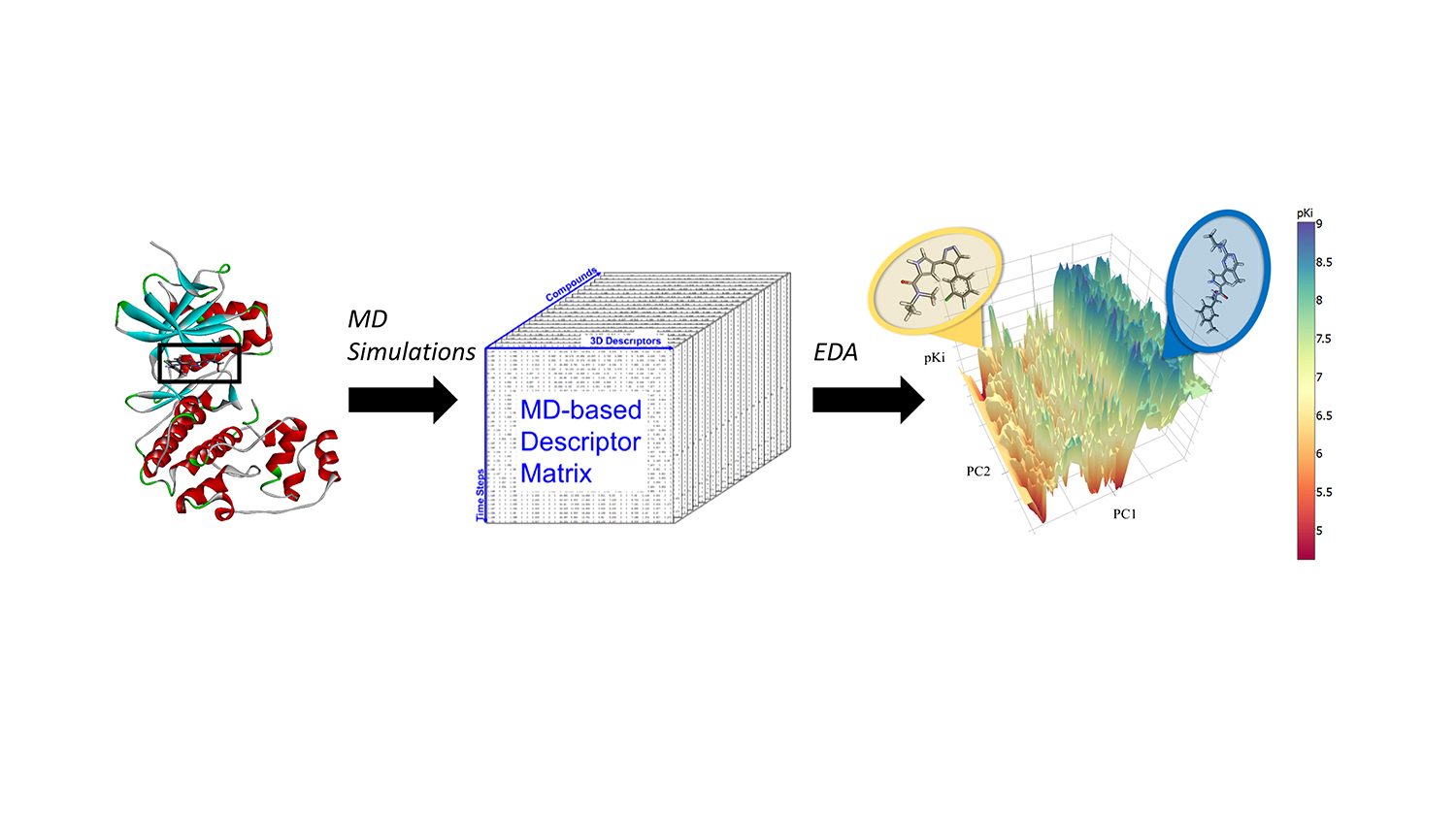
Researchers Use Molecular Dynamics and Machine Learning to Create ‘Hyper-predictive’ Computer Models for Drug Discovery
Denis Fourches uses molecular dynamics and machine learning to create hyper-predictive drug discovery models.

Sharing Science Through Picture Books
There may be no better marriage of science and art than in a children’s book.
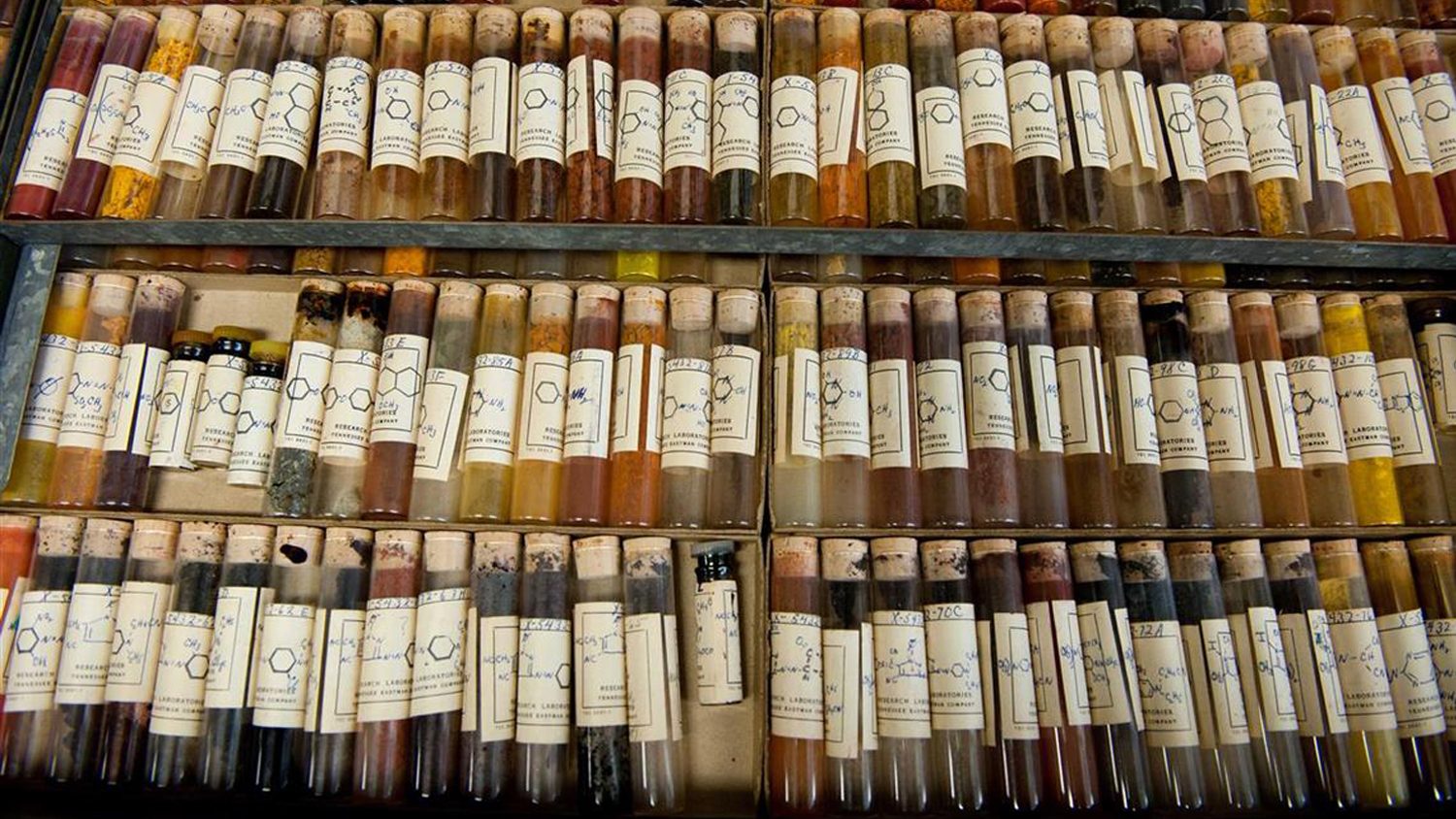
Researchers Release First Chemical Map of Dyes from Historic Dye Library
The first chemical “map” of dyes from the Max A. Weaver Dye Library has been released. The information could assist researchers in developing dyes with desirable properties.
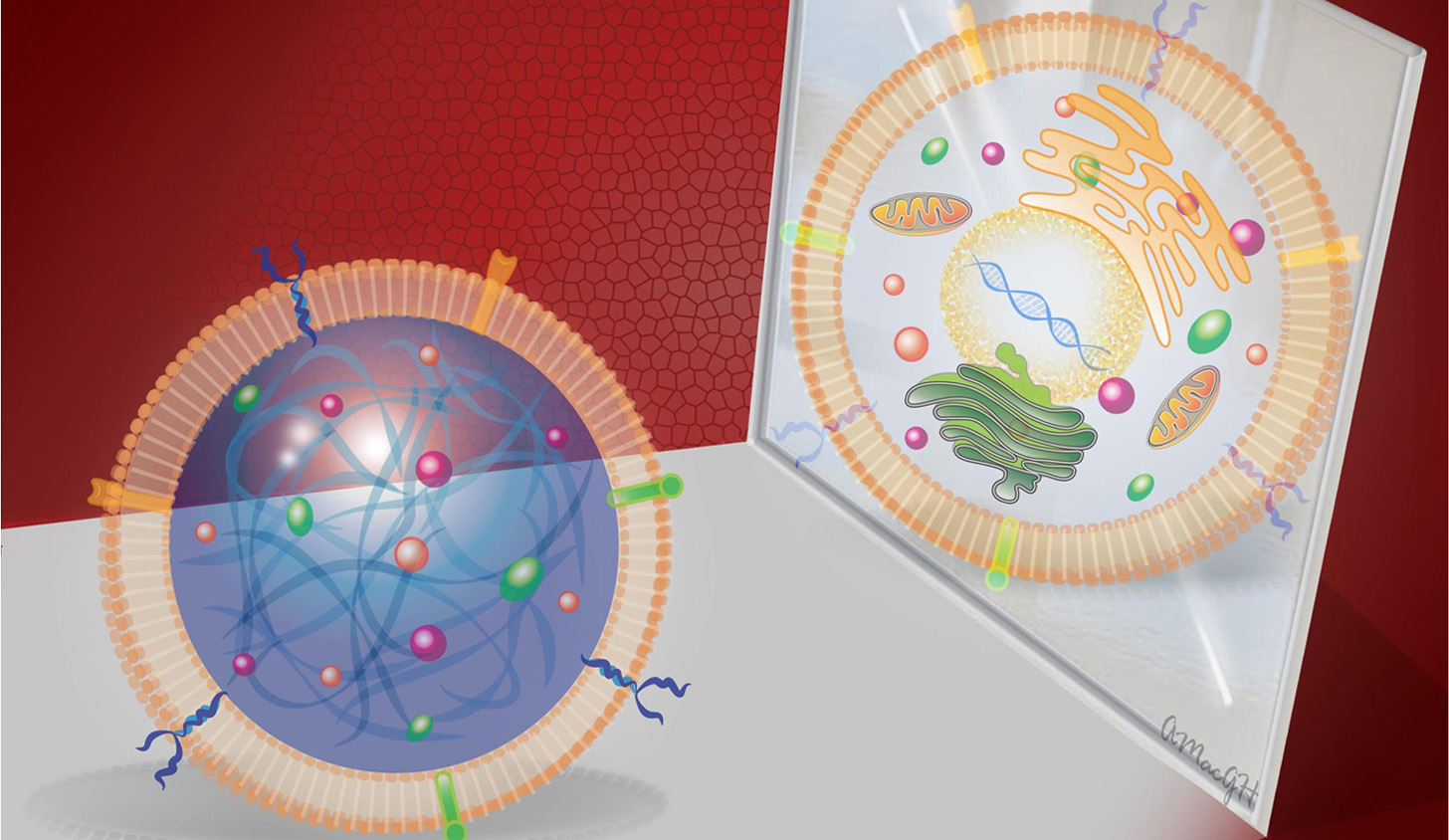
Synthetic Stem Cells Could Offer Therapeutic Benefits, Reduced Risks
Durable synthetic cardiac stem cells provide therapeutic benefits in the lab and in animal models.
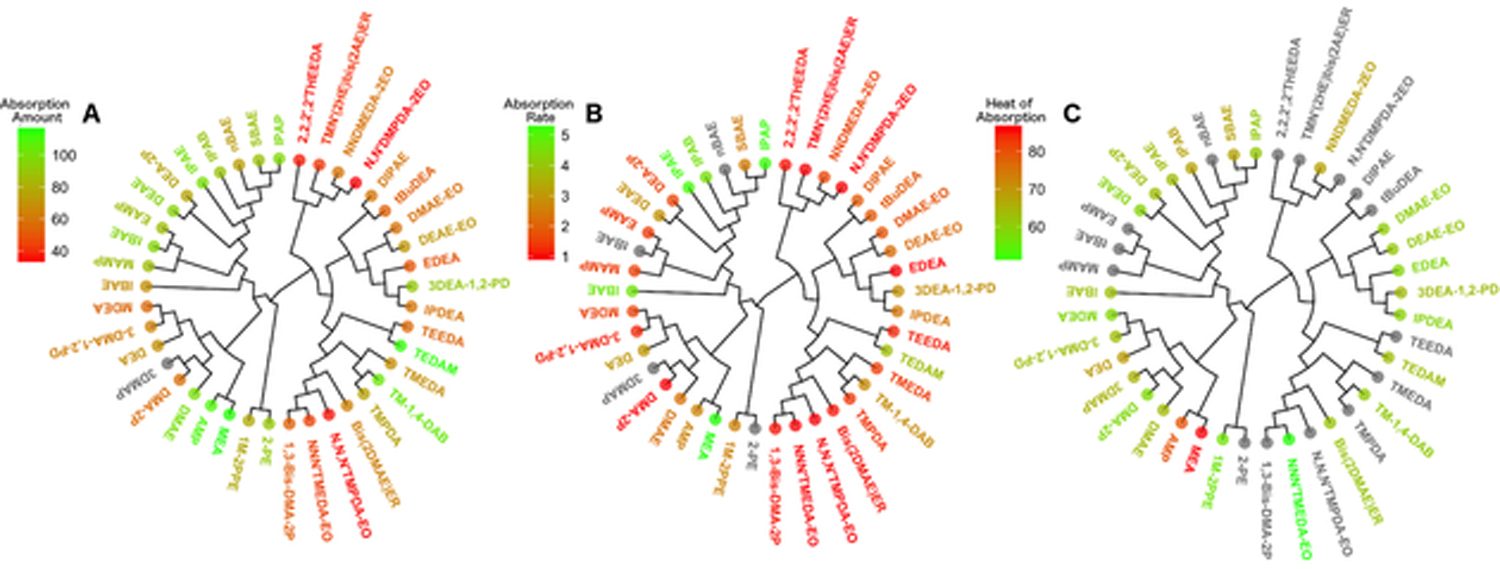
Computer Simulations First Step Toward Designing New, More Efficient Amine Chemical Scrubbers
Molecular models aim to improve design of cheaper, more efficient amine chemicals to capture carbon dioxide.
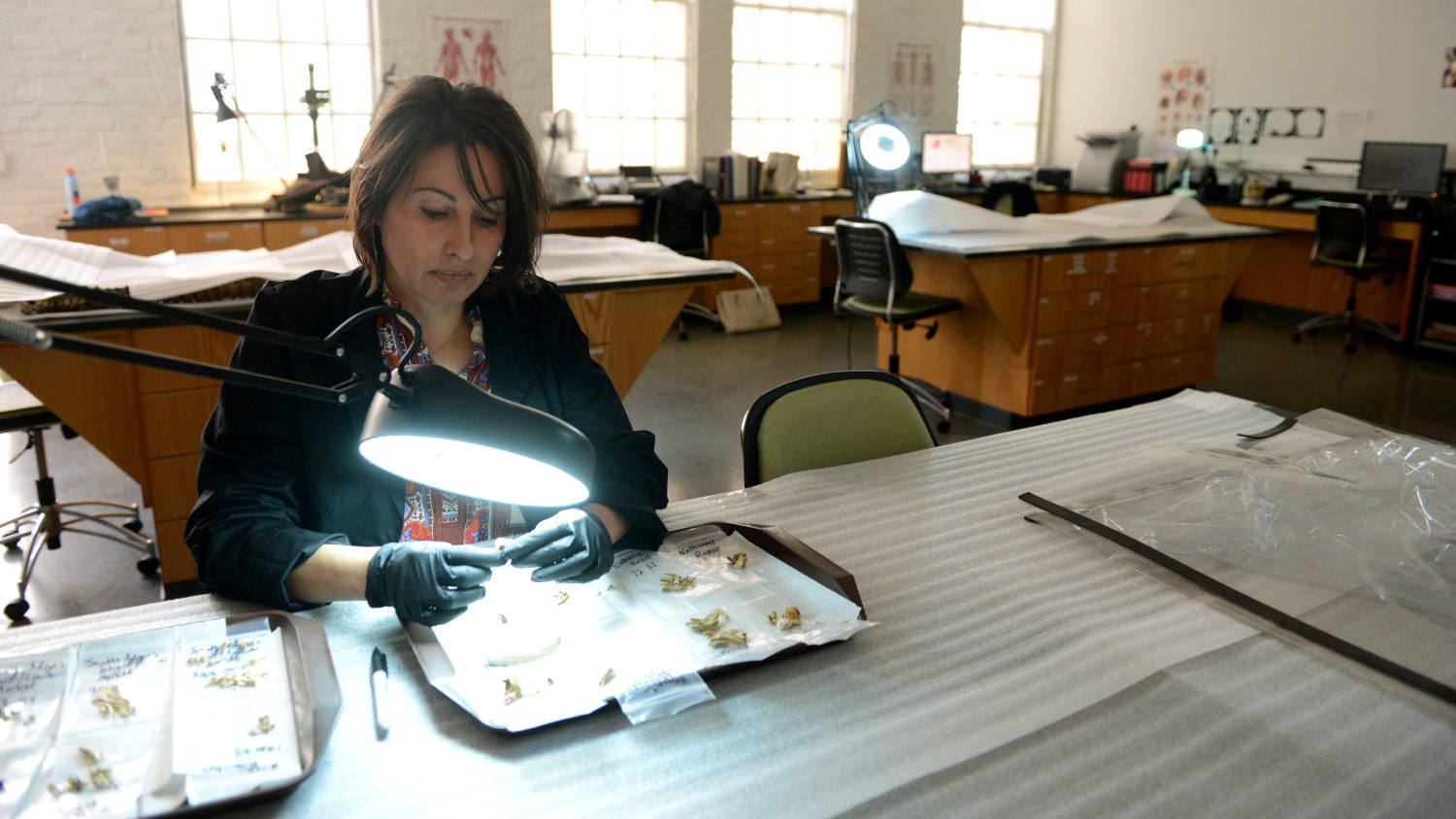
Behind the Yellow Tape
Forensic anthropologist Ann Ross’ lab is a real-life version of your favorite forensics TV shows. See what’s inside.
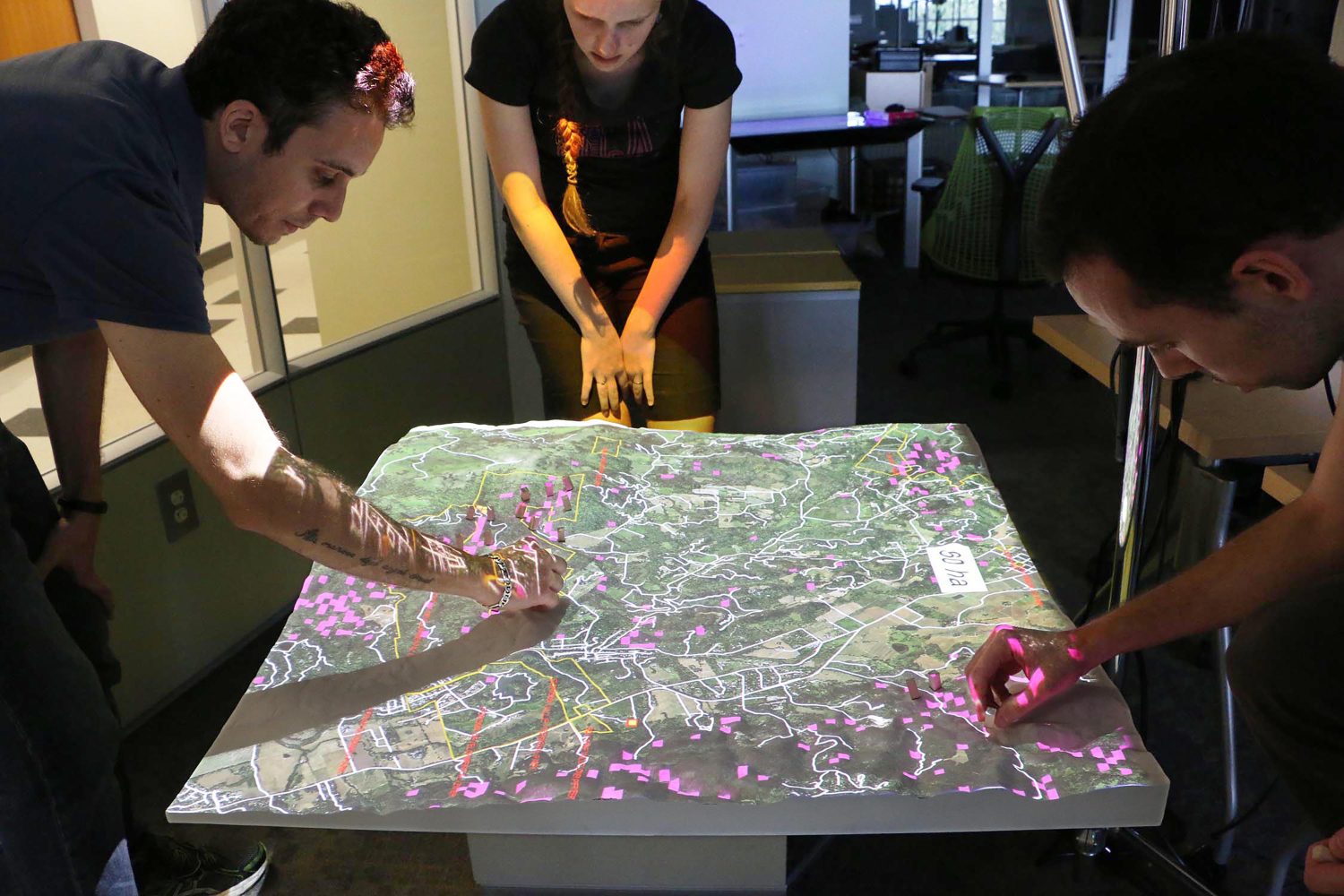
A Hands-On Approach to Environmental Decisions
NC State scientists show how geospatial modeling can help provide faster feedback and better collaboration on complex issues.
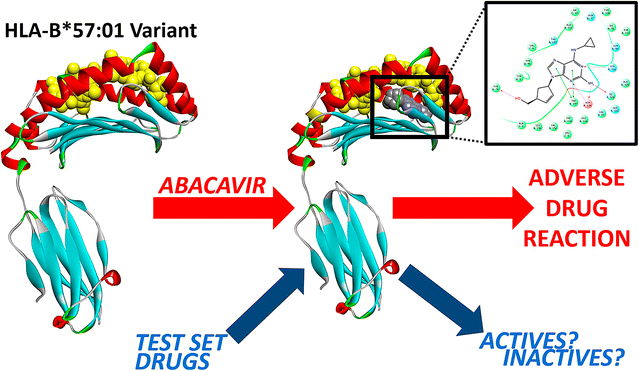
Computer Models Could Allow Researchers to Better Understand, Predict Adverse Drug Reactions
Research explains what happens at the molecular level during severe allergic reactions to abacavir, an antiviral drug commonly given to treat HIV.